
Delray Beach Counseling
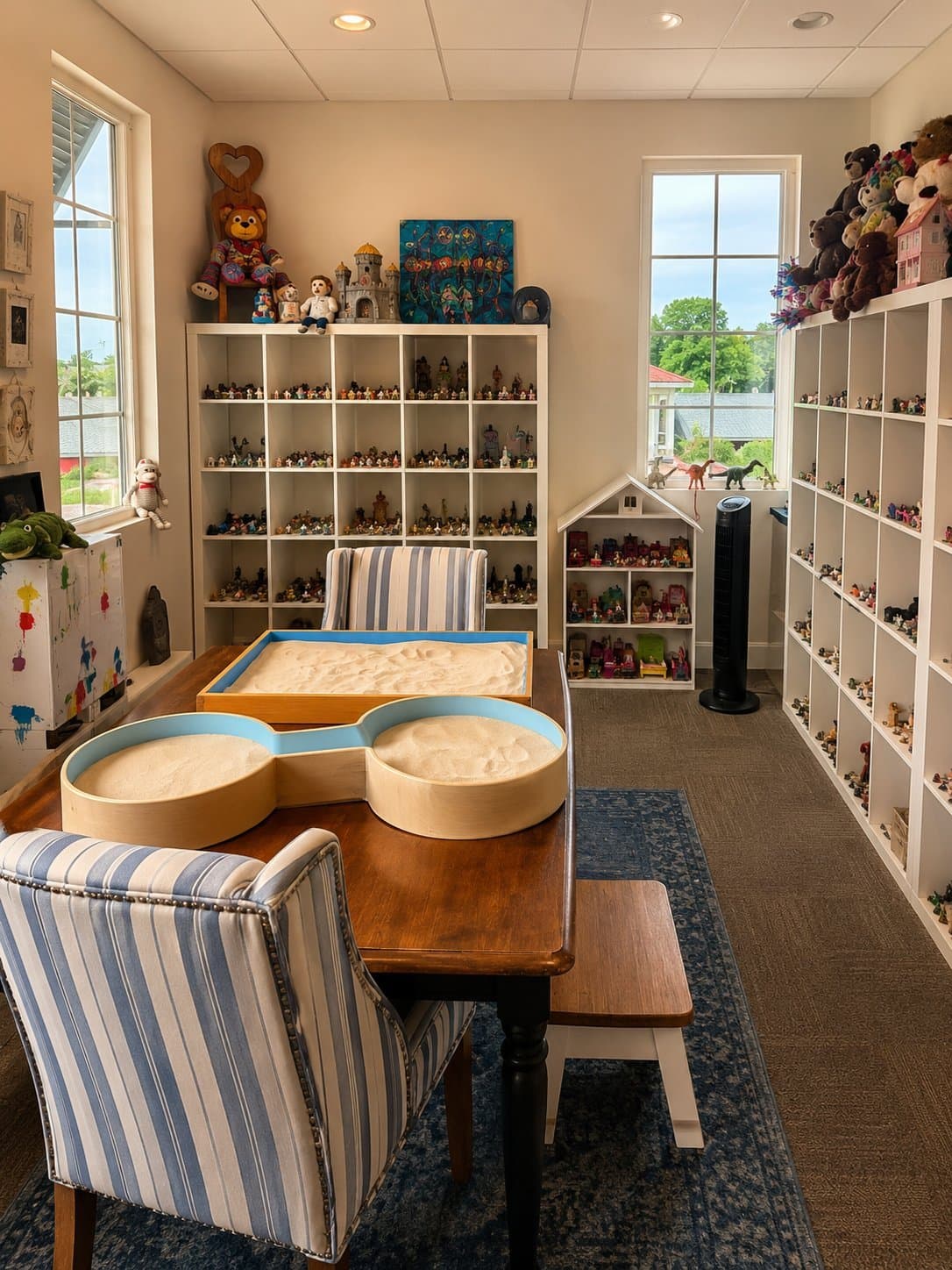
Sand trays on a wooden table in the play therapy room, surrounded by miniature figures

Children & Adolescents

Therapy for Children & Adolescents

As a Registered Play Therapist Supervisor (RPT-S), Dr. Mindy Parsons helps children, preteens, and teens work through what they're facing in a way that fits how they actually communicate.

Call or text for availability.

Are you worried about your child? Are big feelings, worries, or recent changes showing up at home or at school? Are you unsure how to help, or where to turn? Dr. Parsons works with children, preteens, and adolescents (ages 5 to 18), meeting each child where they are. Younger clients often communicate through play, art, and sand tray rather than conversation alone, and the work is built around that.

How therapy works for younger clients

How parents are involved

Parents are an essential part of the therapeutic process. The first session typically includes parents so Dr. Parsons can gather history, understand your concerns, and answer your questions. Throughout treatment, she provides parent consultations and updates while protecting your child's therapeutic space. Family sessions may be incorporated when they would strengthen communication, understanding, and connection.
How confidentiality works

Children and teens need a safe place to talk openly, so Dr. Parsons does not share session details with parents. Instead, parents receive themes, progress updates, and recommendations. If a child is at risk of harming themselves or someone else, or if any safety concern arises, parents will always be informed.

What a first visit looks like

The first session focuses on helping your child feel comfortable and getting to know them. Children often communicate through play, art, and sand tray rather than conversation alone. Dr. Parsons spends time understanding your child's strengths, interests, concerns, and family relationships. There is no pressure to perform or immediately open up; trust comes first.

Most common reasons families come in

  • Anxiety and excessive worry
  • Emotional regulation difficulties and big feelings
  • Family changes such as divorce, remarriage, relocation, or blended-family challenges
  • School-related stress and academic pressure
  • Social difficulties, friendship concerns, and bullying
  • Behavioral concerns at home or school
  • Grief, loss, and significant life transitions
  • Trauma and adverse childhood experiences
  • Building confidence, resilience, and coping skills

Getting started

  1. 1

    Reach out

    Call or text to share what's going on and ask any questions. We'll talk through whether Dr. Parsons is the right fit for your child and family.

  2. 2

    First session with parents

    The first session typically includes parents so Dr. Parsons can gather history, understand your concerns, and answer your questions before the focus shifts to your child.

  3. 3

    Your child's own space

    Sessions then center on your child, often through play, art, and sand tray, with regular parent consultations and updates on themes and progress along the way.

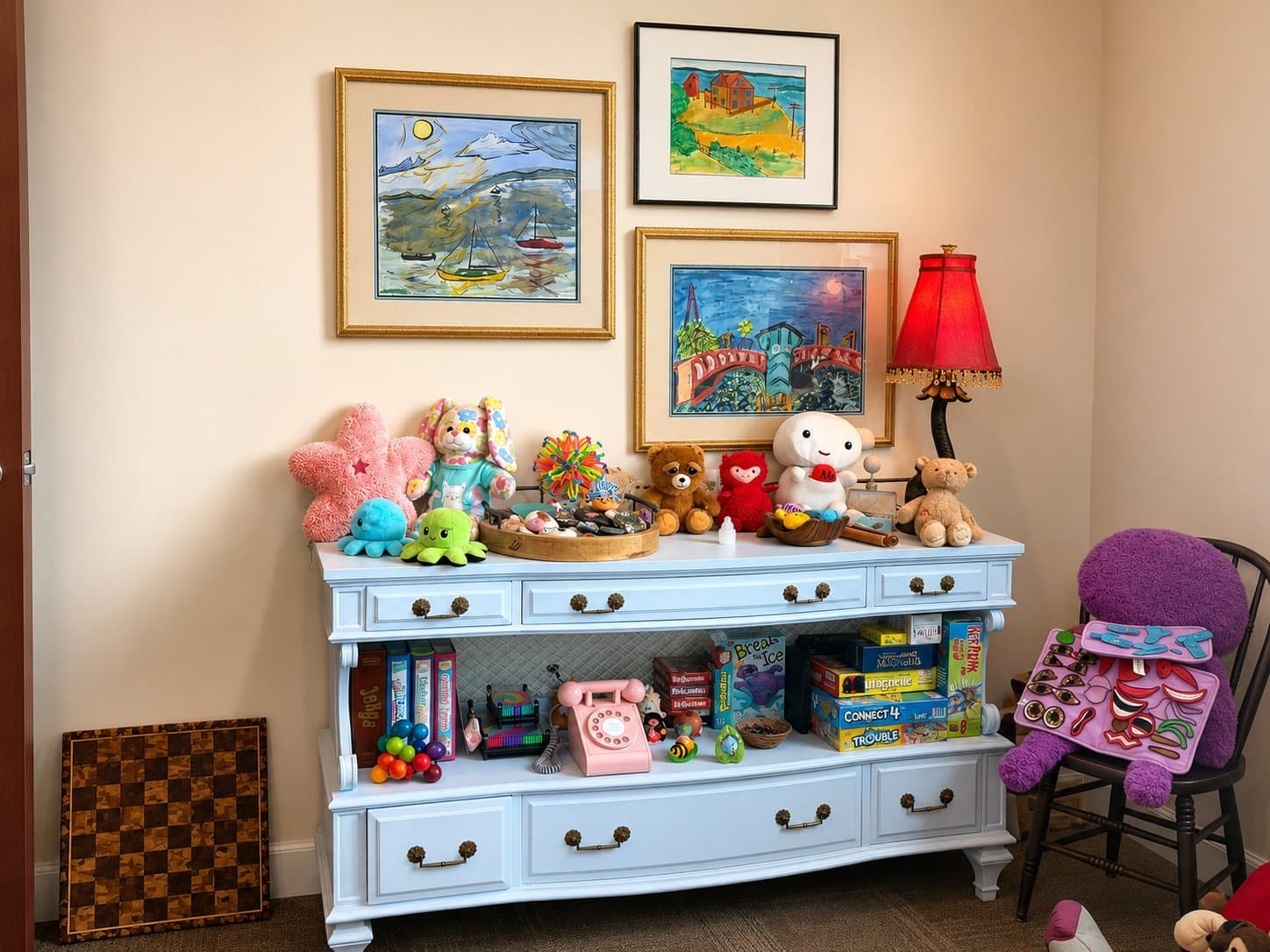
Stuffed animals, games, and play therapy materials on a blue dresser
The play therapy room gives children developmentally appropriate ways to express what's hard to say.

Frequently asked questions

  • What ages do you work with?

    Children, preteens, and adolescents (ages 5 to 18). Sessions are tailored to your child's developmental stage and how they communicate best.

  • Will you tell me what my child says in session?

    Children and teens need a safe place to talk openly, so Dr. Parsons does not share session details with parents. Instead, parents receive themes, progress updates, and recommendations. If a child is at risk of harming themselves or someone else, or if any safety concern arises, parents will always be informed.

  • How involved will I be as a parent?

    Parents are an essential part of the process. The first session typically includes parents so Dr. Parsons can gather history and understand your concerns, and she provides parent consultations and updates throughout. Family sessions may be added when they would strengthen communication and connection.